A clean tank and normal-tasting water: simple care steps
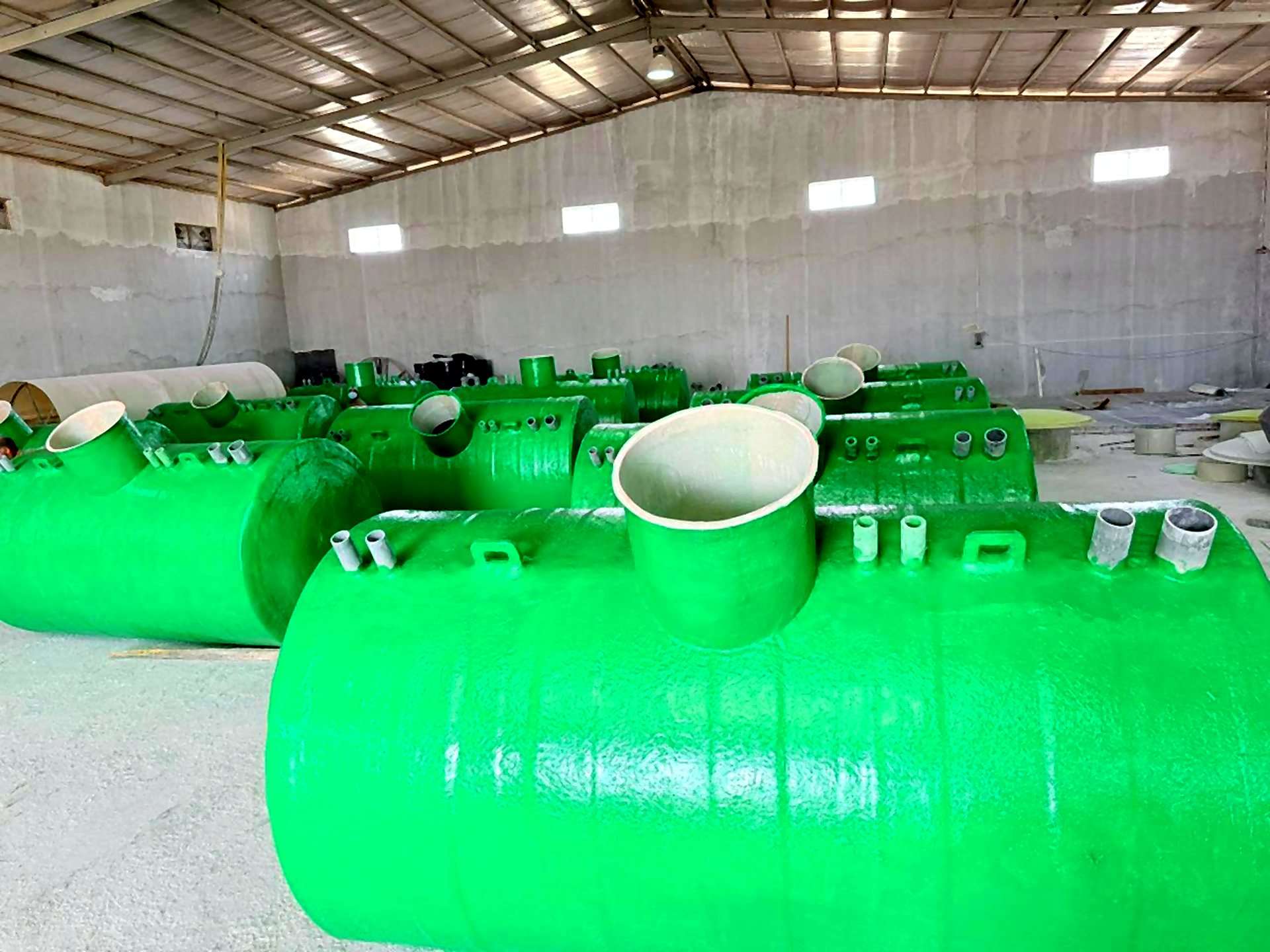
An opaque tank wall keeps light out, but cleanliness is up to you: cleaning every six months, a tightly closed manhole and a quick check of covers and vents.
- Clean every six months
- 50 cm manhole
- Clear steps
- NWC washing permit
We reply within one working hour, Saturday to Thursday.
Clean the tank every six months
We recommend cleaning every six months through the inspection manhole, 50 cm across on our standard buried tank. The National Water Efficiency Centre advises servicing an underground tank and checking it for leaks at least once a year.
- If you are on the network, request the National Water Company's tank-washing permit before draining.
- Switch off the pump, close the supply, then drain the tank.
- Open the manhole and let the tank ventilate before any work inside.
- Clean walls and floor with a soft brush and clean water; avoid sharp tools that scratch the smooth inner surface.
- Rinse, remove the rinse water, close the manhole tightly and refill.
The NWC tank-washing permit
The National Water Company offers a tank-washing permit request, allowing customers to clean their tank within a set window without a violation being recorded. Customers may hire any specialised company to do the work.
Entering a tank is confined-space work, so never do it alone. For disinfection, a specialised cleaning and disinfection company is the safer route.
Preventing algae and off tastes
Algae grows where light gets in and a tank is left uncleaned. Our GRP tank walls are opaque and the inner surface is smooth, so sediment does not cling easily.
Two things remain yours: keep the manhole tightly closed, since an unsealed tank can let in insects and rodents, and keep to regular cleaning.
Check covers, vents and the slab
Septic tanks follow a different rule: the Saudi Private Sewage Code calls for emptying whenever sludge reaches one third of the liquid capacity.
- Manhole cover: closes tightly and is undamaged.
- Vents: intact, unblocked and not letting insects in.
- Concrete slab over a buried tank: no cracks, as its condition is a warranty requirement.
- Water meter: if it moves with every tap closed, check the tank and pipework for leaks.
Frequently asked questions
How often should I clean my water tank?
We recommend every six months; the National Water Efficiency Centre advises servicing and leak-checking an underground tank at least once a year.
Do I need permission to drain the tank?
If you are on the National Water Company network, request the tank-washing permit first so no violation is recorded.
The water tastes odd. What should I do?
Clean the tank and check that the manhole cover seals and the vents are intact. If the taste persists, call a specialised cleaning and disinfection company.
Can someone get in through the manhole?
The manhole is 50 cm across on our standard buried tank, sized for cleaning access. Entry is confined-space work, so never go in alone.
Does a GRP tank need internal insulation or coating?
No. It is a one-piece tank that does not rust. What it needs is regular cleaning and a tightly closed manhole.
Related pages
Underground water tanks
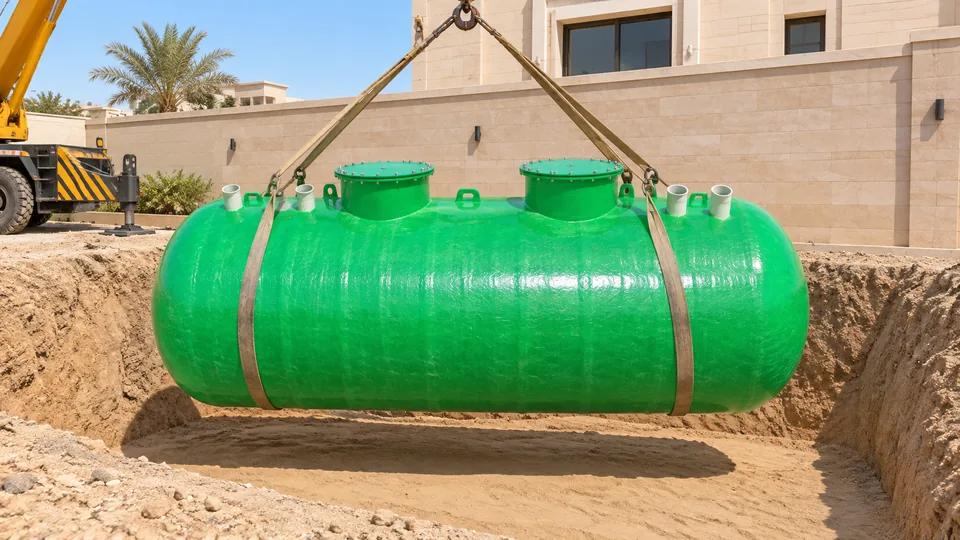
Cooler water in summer, no rust or algae, any capacity from 2,000 litres.
Warranty
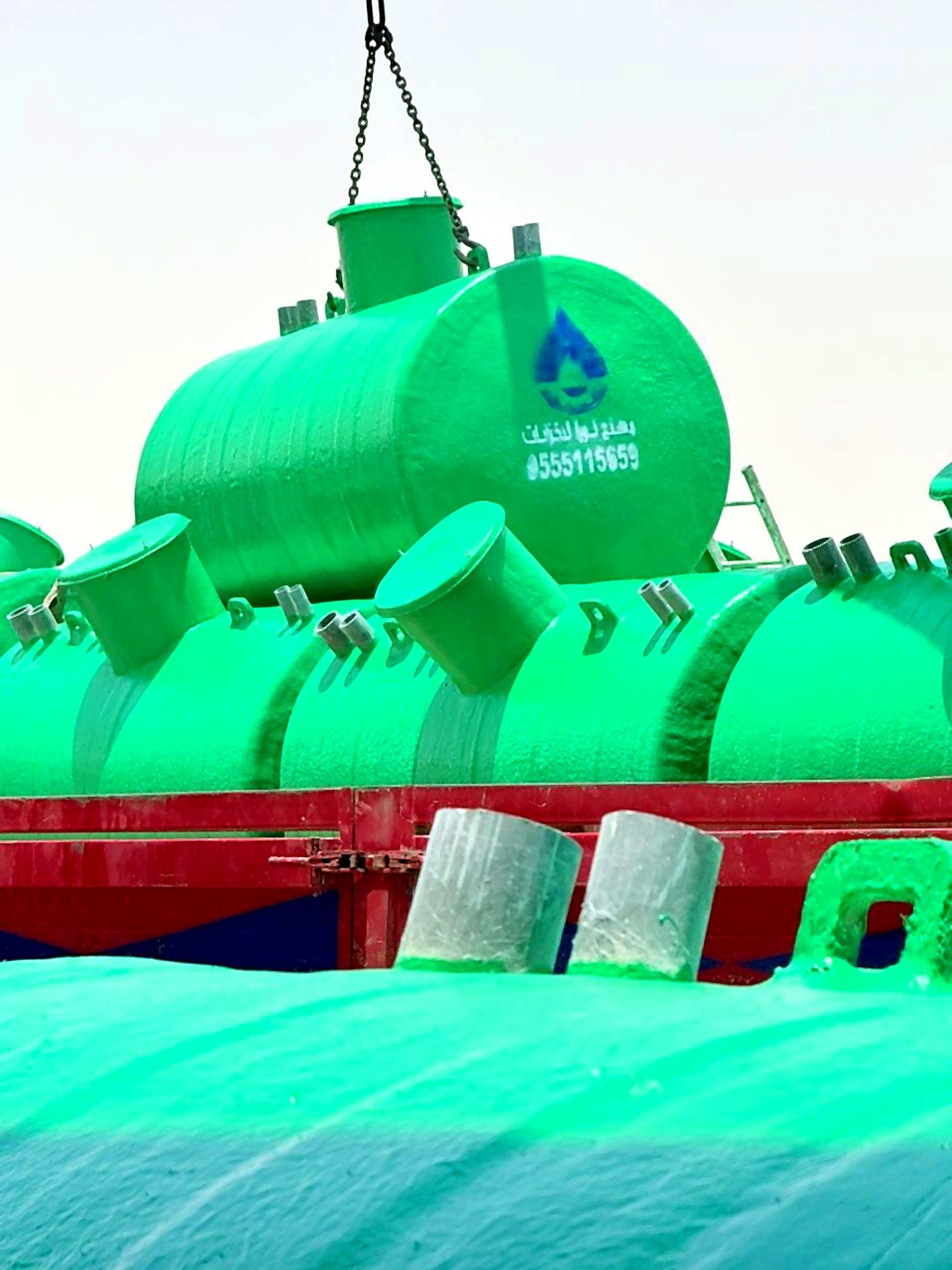
25 years against manufacturing defects, and how to keep it.
Buildings and compounds
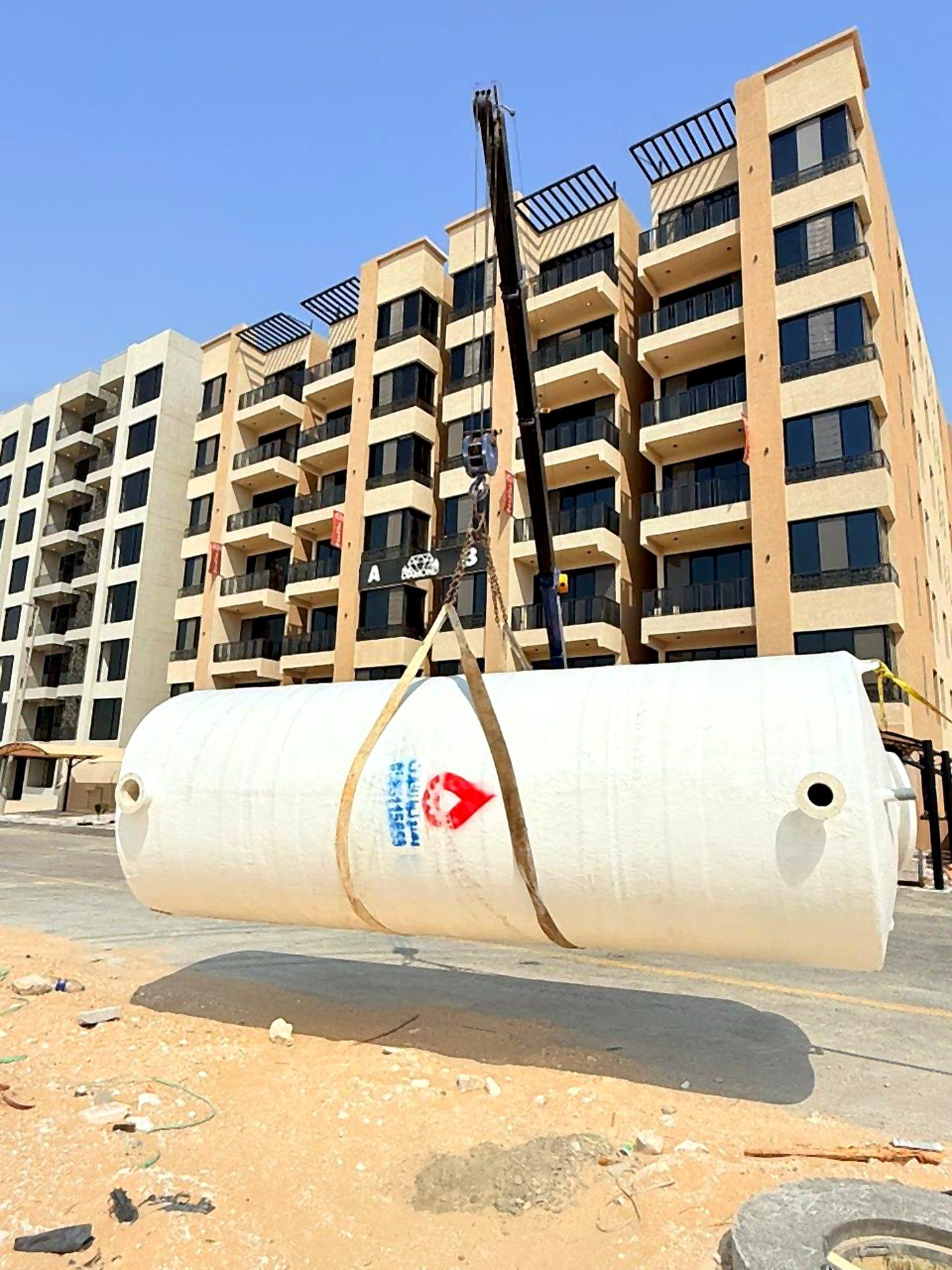
Large capacities for every unit, crane placement, and a VAT invoice to your entity.
Septic tank rules
The Saudi Private Sewage Code figures, in plain words.
Ready for your quote?
Send the type, capacity and city, and we reply within an hour.